 By Arizona Food Bank Network
March 17, 2026
By Arizona Food Bank Network
March 17, 2026
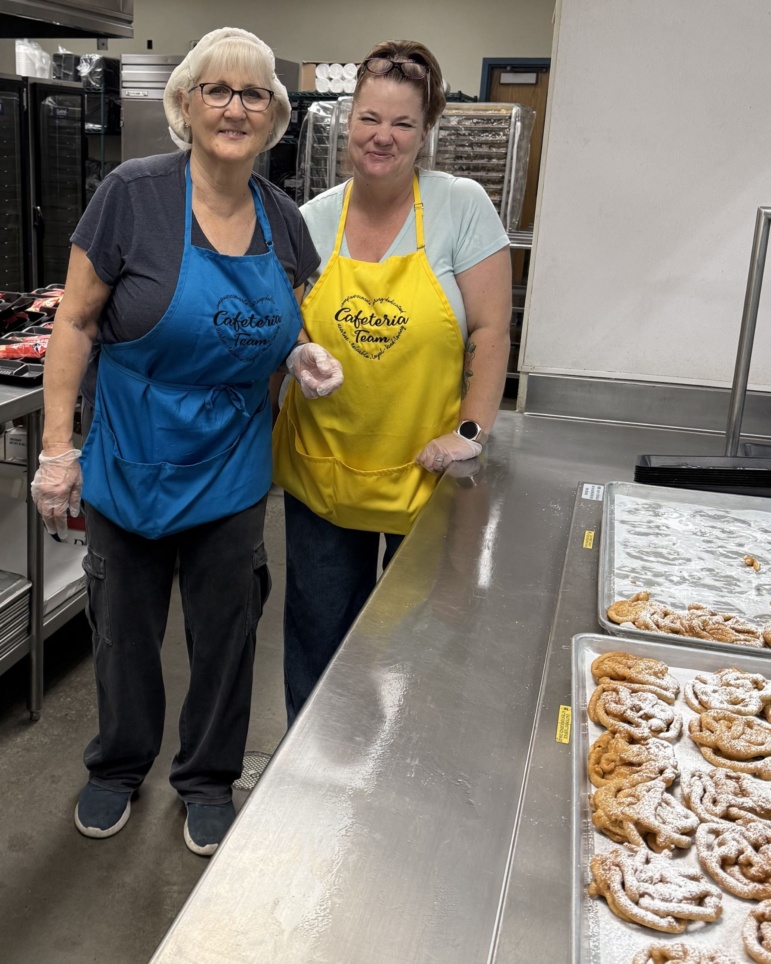
That’s not a carnival in the cafeteria, it’s breakfast! Funnel cakes made with whole wheat, a handful of fresh berries, and a carton of cold milk await the students at Florence Elementary.
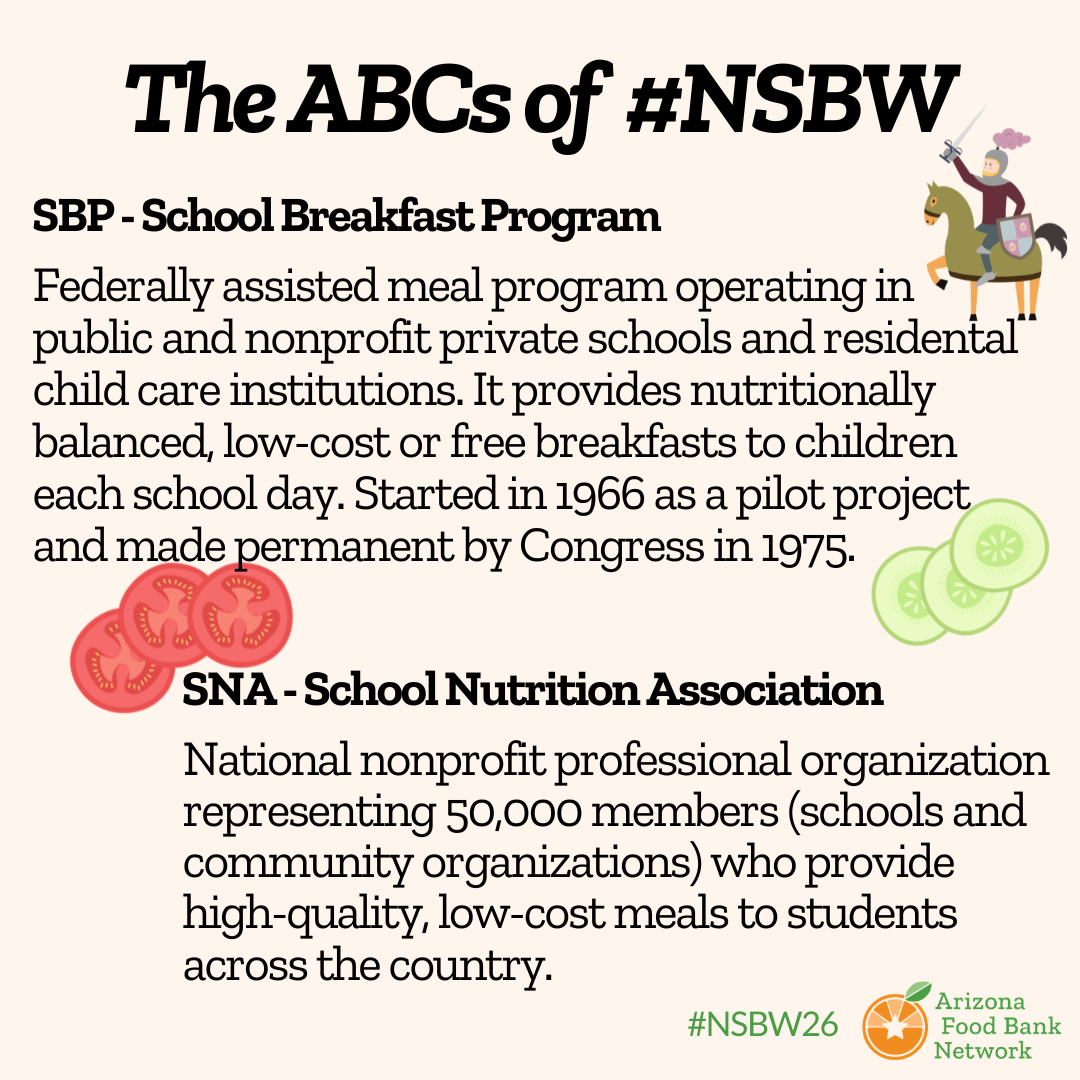
The National School Breakfast Program (NSBP) has come a long way since it was piloted in 1966 and formalized in 1975. Today, Arizona’s schools (and not just public schools!) serve over 38 million breakfasts over the school year.
To celebrate healthy, thriving kids all over the nation, schools that participate in the program spend the first week of March each year with a special focus on the most important meal of the day.
Parents know…it takes a lot of creativity to get kids to eat a balanced breakfast.
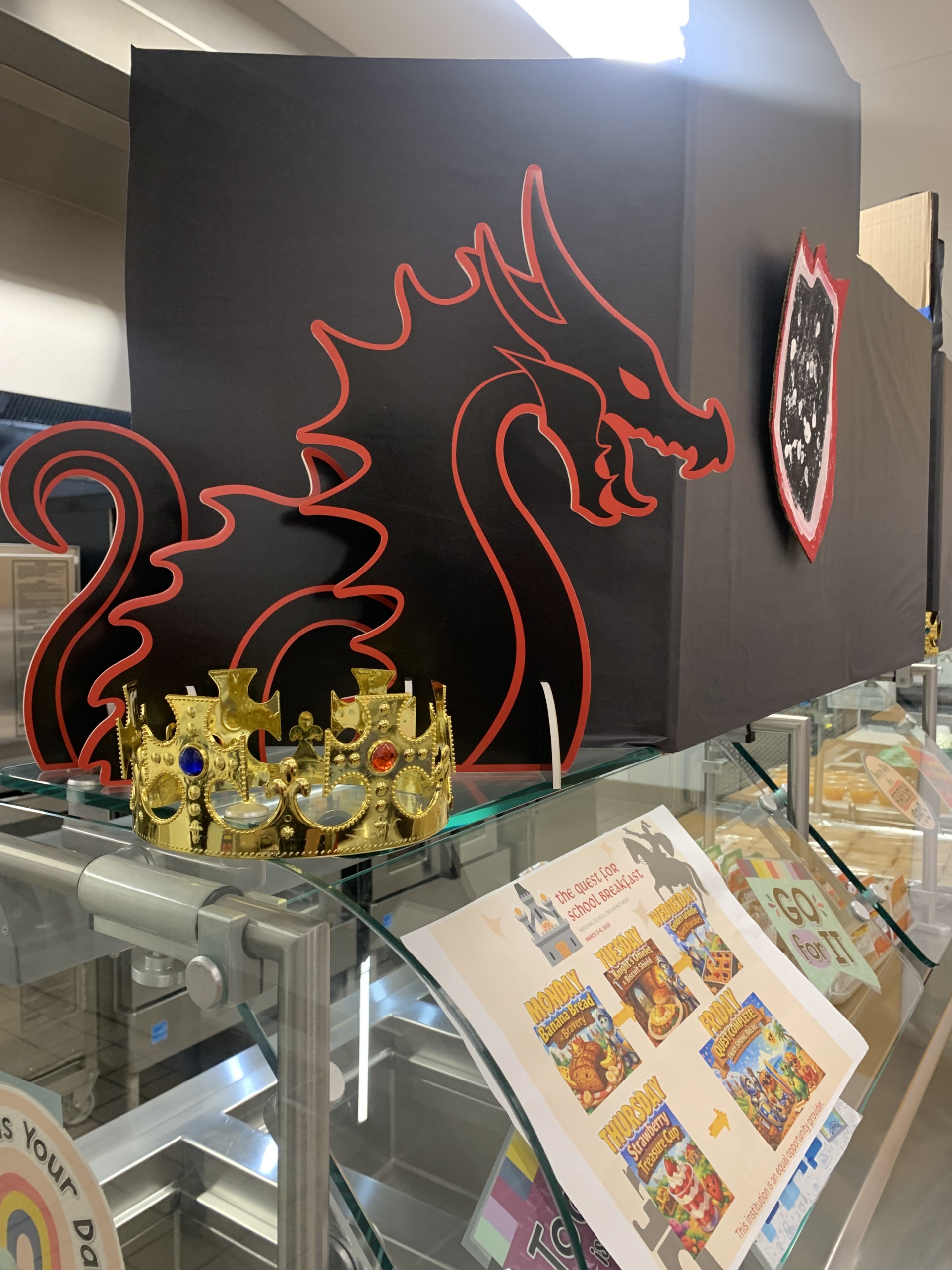
School nutrition staff roll out the art projects and special menus for School Breakfast Week. Some even have cooking competitions to get the kids involved in creating a new dish within the nutrition guidelines!
But creativity is also necessary when it comes to access. Schools have to adapt to kids’ needs to make sure every kid has an opportunity to eat.
Sometimes that looks like familiarity – conchas instead of muffins, or potatoes just like mom makes. More and more, schools are making breakfast accessible by offering a grab-and-go option, “breakfast in the hallway”, “breakfast in the classroom”, or even an “after the bell” breakfast program to account for the late-comers and those too bashful to ask.
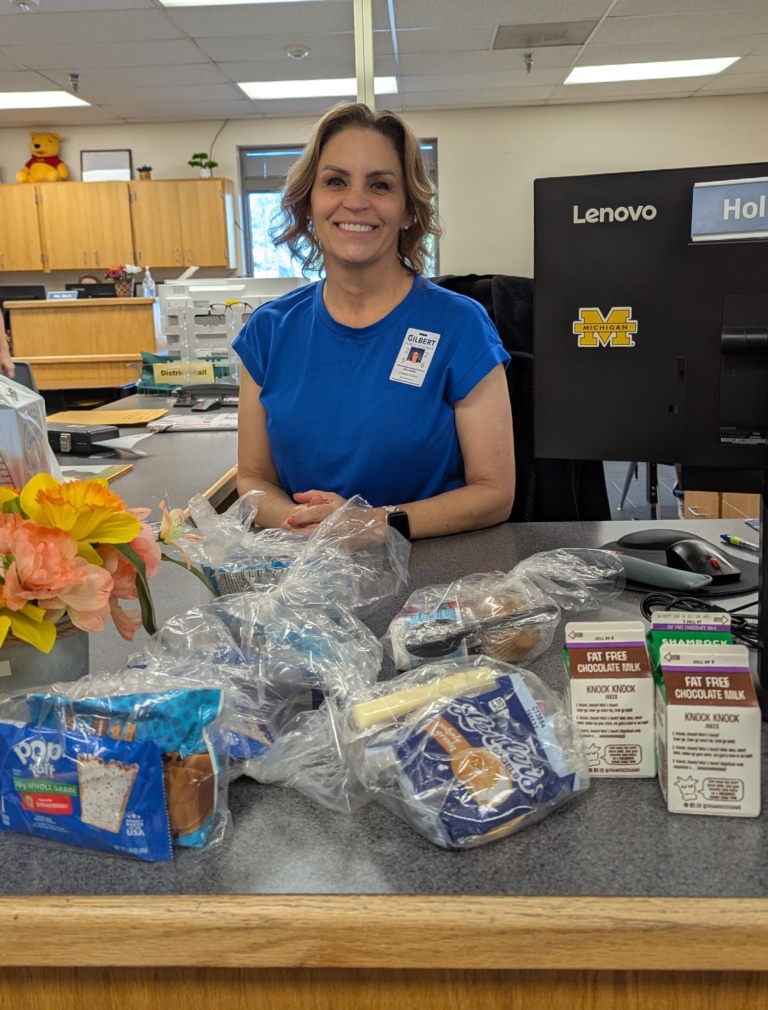
“They just feel embarrassed walking all the way down to the cafeteria,” said Holly, Attendance Specialist at Burk Elementary in Gilbert, Arizona. “So the cafeteria keeps food out until about 8:10 a.m. That’s when the tardy bell rings. After that, we like to have the food [at my desk in the front office]… Either way, they always know they can find food with me. That’s what’s important.”
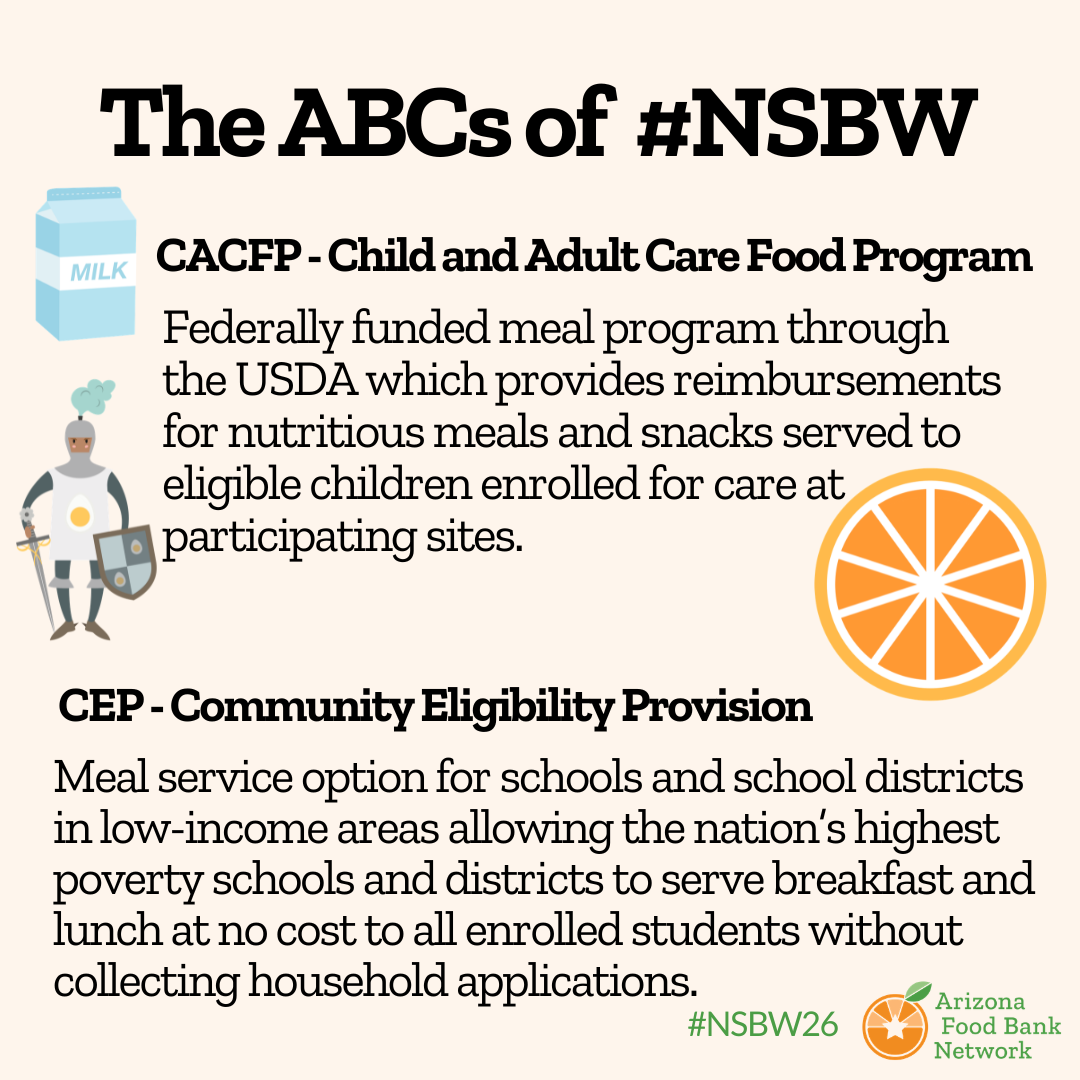
But in order for schools to adapt to students’ needs, federal meal reimbursement programs, like the School Breakfast Program, have to adapt with them. That’s why in 2010, the Community Eligibility Provision (CEP) was created to allow qualifying schools to offer free school breakfast and lunch to all students.
“We are honored and blessed that we are able to feed students for free [at Burk Elementary]. I mean, I had two kids in high school last year,” she laughs. “It’s expensive! So any penny helps. We’ve really been getting the word out.”
CEP essentially allows schools to be reimbursed for school meal program expenses based on the percentage of enrolled students participating in other government assistance programs, such as SNAP (formerly food stamps).
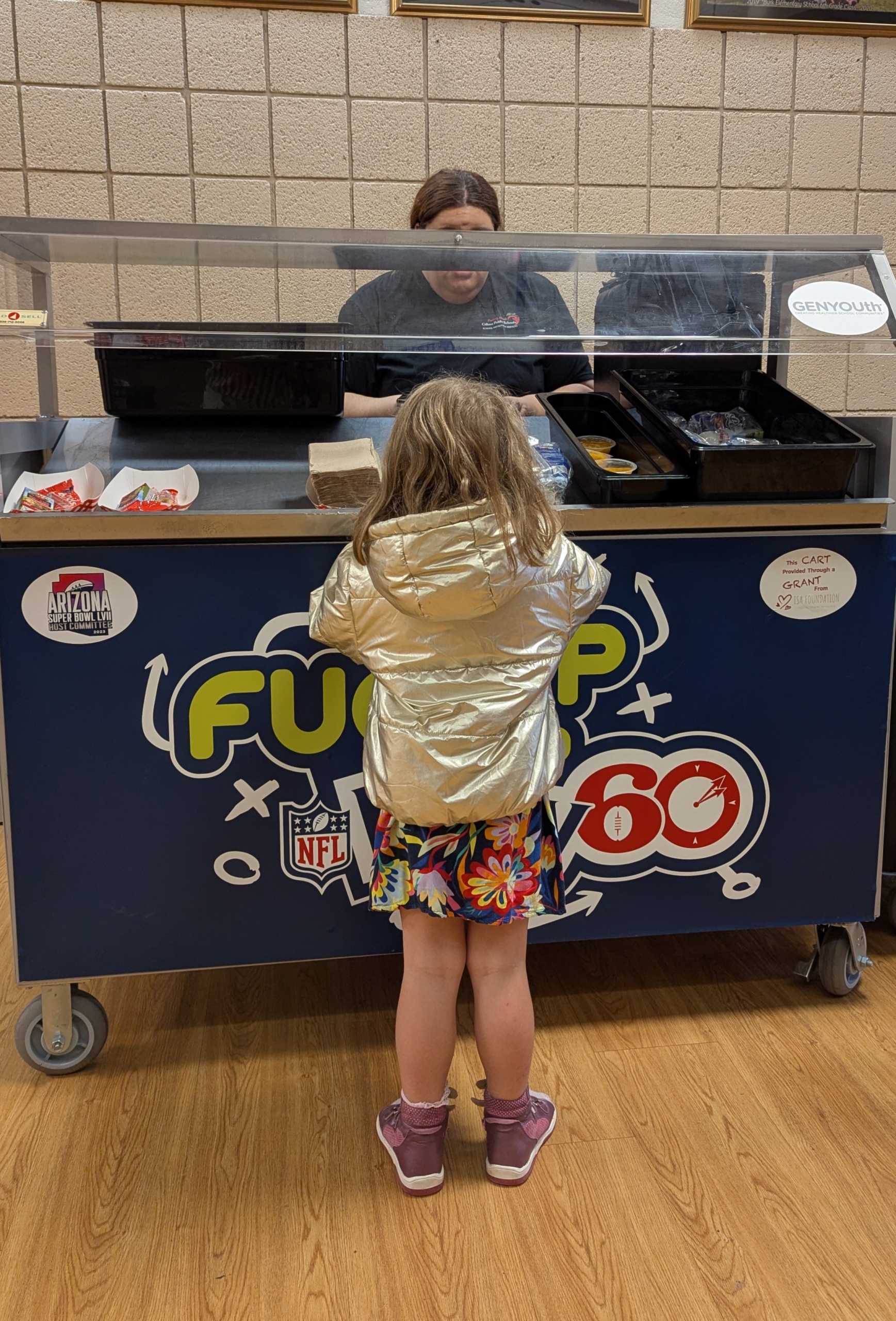
Whereas schools without CEP are accounting for each student’s meal credits or payment methods (often managing student meal debt), this blanket provision allows nutrition staff to focus that energy on maximizing their resources for school meals, increasing accessibility and availability. CEP also saves time by speeding up the cashier line and allowing for quick grab-and-go options, so there’s more time to socialize, learn…and eat!
“This school used to do 200 participants for breakfast…now we’re doing 400. It’s just nice to know they are getting breakfast, because some of these kids just don’t otherwise,” said Beth, the Kitchen Manager at Florence Elementary in Florence, Arizona.
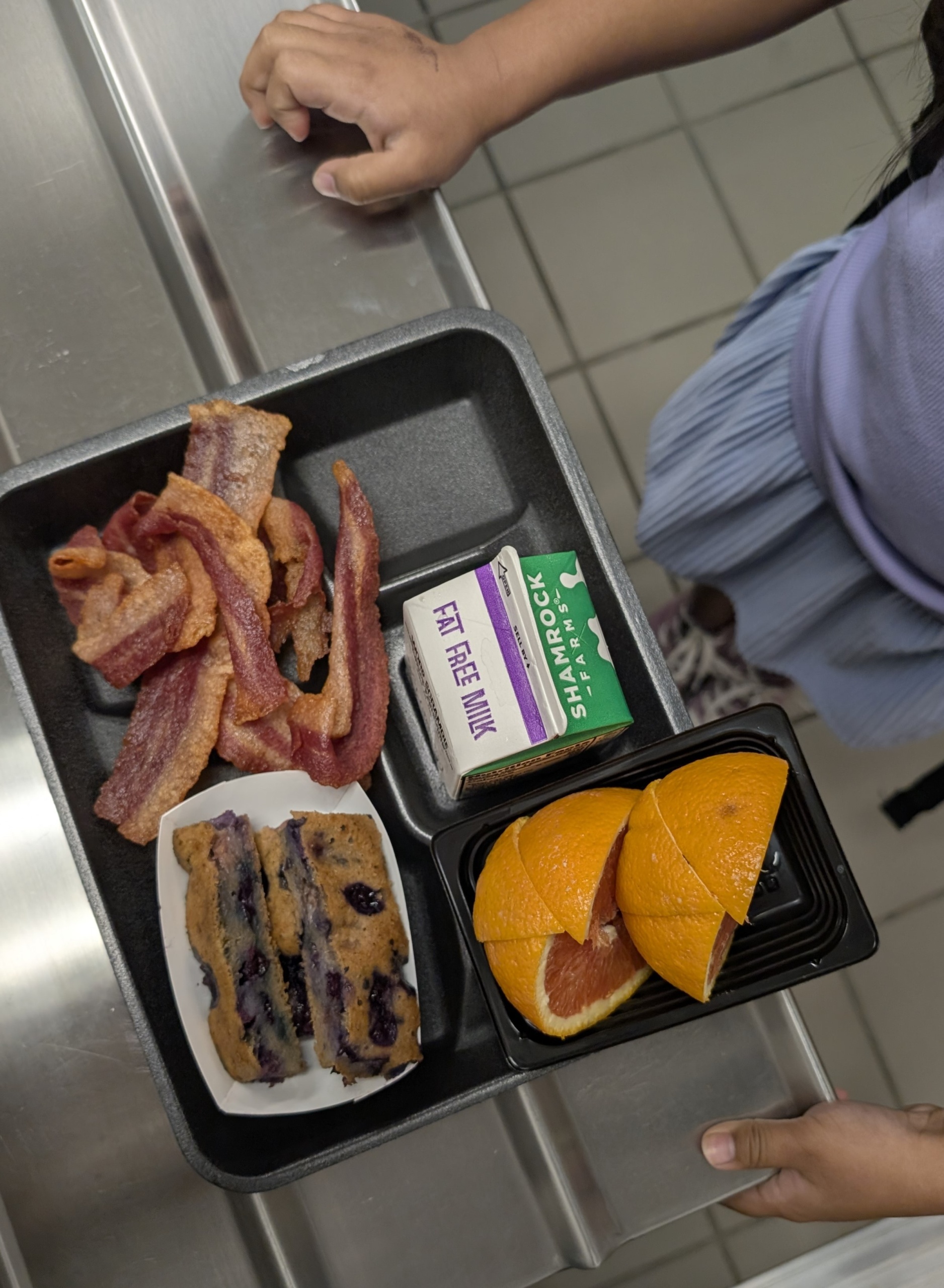
At Florence Elementary, so many kids eat breakfast now that the school qualifies for CEP, that there’s only room for the first grade and kindergarten students in the cafeteria; the rest of the school eats in their classrooms. Each student can choose between a hot breakfast offering and two cold breakfast offerings, all adhering to federal nutrition standards of whole grains, low sugar, fruit, and milk requirements. Yep, they workshopped a funnel cake recipe to work with these standards!
School meals are more important than ever. From July 2025 to January 2026, nearly 400,000 fewer individuals are enrolled in SNAP benefits due to cuts in the federal budget bill passed in 2025. Through partnership with organizations like Health First Foundation of Northern Arizona and No Kid Hungry / Share Our Strength, AzFBN is making sure that, whenever possible, schools are getting creative with their service models and utilizing resources like CEP to feed as many children as possible.
These free school meals, fueling the noble quest for knowledge, may be the only nourishing meals a child gets in a day.

 English
  Spanish